About usServicesTestimonialsBlog
Get in touch
Blogs

Our latest Insights, Systems, and Growth

Thoughts, frameworks, and behind-the-scenes breakdowns on outbound sales, business growth, operations, psychology, and building scalable systems.

Get in touch
Case studies

Prospecting Target Businesses and Contacts: Coverage and Filtering

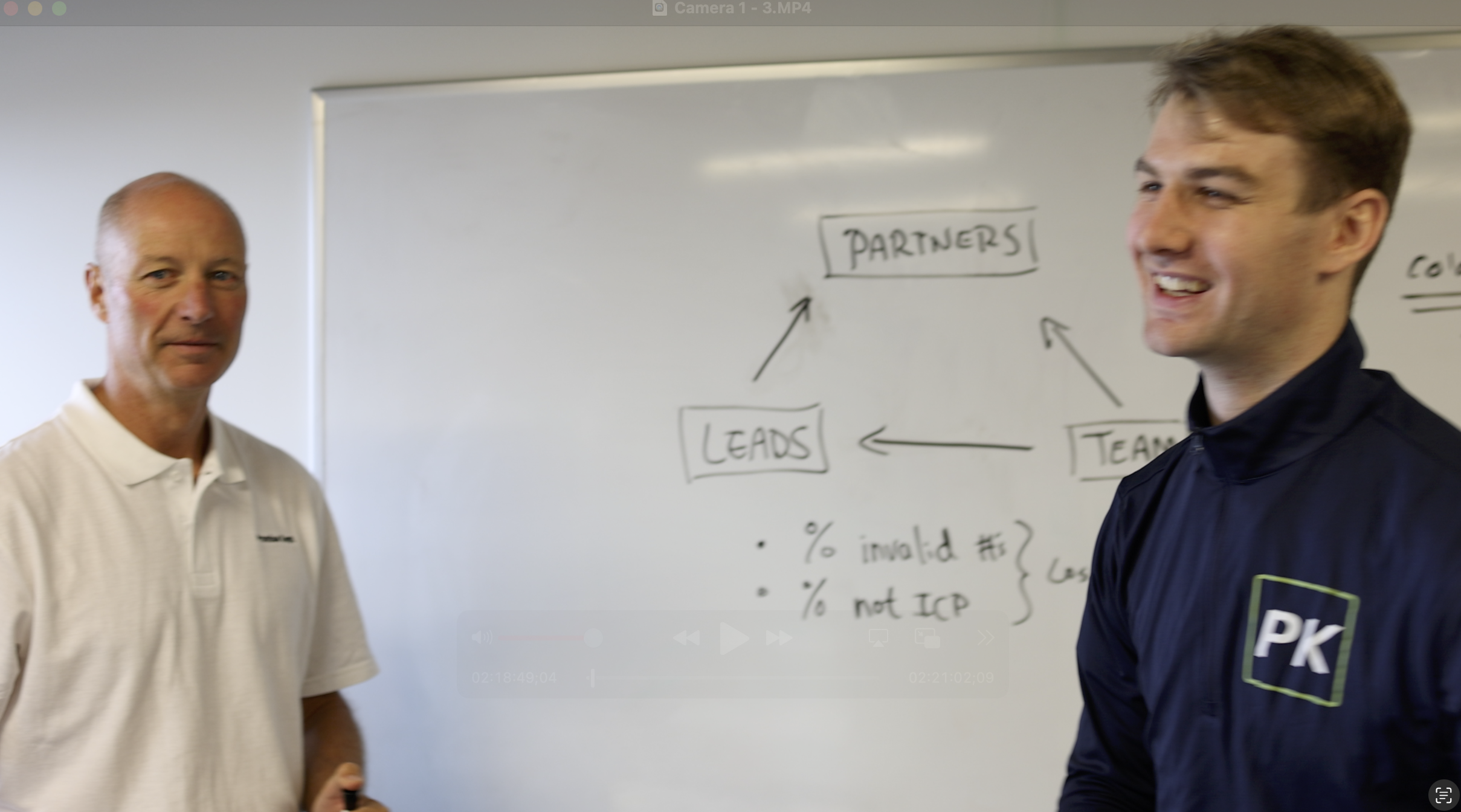
Effective outbound list building requires balancing two competing objectives: maximizing market coverage while maintaining accurate targeting data. The process begins with broad zip-code-level coverage to capture as many ICP businesses as possible, then progressively filters and enriches records using multiple data sources, AI-driven classification workflows, validation systems, and manual review. By combining large-scale data aggregation with layered filtering and deterministic AI classification, the system is designed to maximize outreach volume while minimizing wasted effort on non-target businesses and invalid contact information.
View blog

Metrics, Accountability, and Outbound Performance

High-performing outbound programs are built and managed like measurable systems, not mysterious “sales magic.” By tracking both activity inputs and outcome metrics at the caller and campaign level, problems can be identified before performance collapses. Metrics allow teams to distinguish between effort issues, data quality problems, targeting mistakes, and script weaknesses, while structured calling schedules, role-play, call reviews, and campaign adjustments create continuous feedback loops that steadily improve performance over time.
View blog

Identifying Need is Achieved Through Asking Questions

Most businesses do not actively recognize or articulate their IT problems because those issues have gradually blended into “business as usual.” Effective discovery is therefore not about pitching solutions, but about asking strategic, open-ended questions that help decision makers surface hidden friction, reflect on operational weaknesses, and acknowledge the cost of the status quo. By guiding prospects through thoughtful discussion rather than direct persuasion, reps simultaneously uncover genuine need, build trust, and create openness to a future solution.
View blog

LinkedIn Campaigns

High-performing LinkedIn outbound campaigns are built around trust, pacing, and relevance rather than aggressive pitching. Instead of treating LinkedIn like a cold email platform, effective campaigns use it as a lightweight warm-up channel designed to create familiarity and open conversations naturally over time. Success comes from segmenting campaigns by role and context, avoiding pitches in the first touch, using multi-step follow-up sequences, and respecting LinkedIn’s platform behavior patterns to protect account health and maintain strong deliverability.
View blog

Winning the Decision Maker

Successfully booking meetings with decision makers comes down to winning two key moments of the call: the first 20 seconds, and the conversation that follows. In the opening moments, the decision maker instinctively wants to know who you are, what you want, whether it is worth their time, and why you are calling them specifically. Strong callers answer these questions clearly and naturally with concise, confident communication. Once that initial barrier is passed, trust and genuine interest are built not by talking more, but by asking strategic, open-ended questions that encourage the decision maker to discuss their own frustrations, needs, and room for improvement. The more the decision maker talks, the more engaged, trusting, and connected they become to both the conversation and the caller.
View blog

Approaching and Bypassing the Gatekeeper

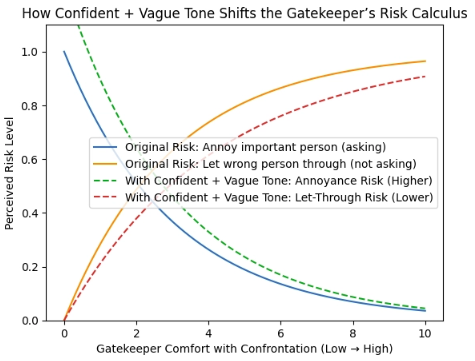
Successfully bypassing gatekeepers begins with understanding their role and psychology. A gatekeeper’s job is not simply to block calls, but to filter out obvious salespeople while allowing legitimate contacts through with as little friction as possible. Every interaction becomes a subtle risk calculation: ask too many questions and risk frustrating someone important, or allow the caller through and risk letting in a salesperson. The most effective callers understand this dynamic and use it to their advantage. Rather than sounding overly eager, explanatory, or “sales-like,” they present themselves as people who naturally ought to be transferred. This is achieved not through deception, but through confident tone, direct delivery, and strategic vagueness. By sounding credible and withholding unnecessary detail, the caller creates uncertainty around their identity, making the gatekeeper less comfortable aggressively challenging or blocking them.
View blog
Join our newsletter to stay up to date.
Subscribe
By subscribing you agree to with our Privacy Policy and provide consent to receive updates from our company.
Thank you! Your submission has been received!
Oops! Something went wrong while submitting the form.
Quick Links
About usServicesTestimonialsBlogContact
Contact
(414) 748-0233info@promisekeptco.com
Grattan St, San Francisco, CA
Follow us
Facebook
LinkedIn
© 2026 Promise Kept Company. All rights reserved.
Real Meetings, Real People