Successfully booking meetings with decision makers comes down to winning two key moments of the call: the first 20 seconds, and the conversation that follows. In the opening moments, the decision maker instinctively wants to know who you are, what you want, whether it is worth their time, and why you are calling them specifically. Strong callers answer these questions clearly and naturally with concise, confident communication. Once that initial barrier is passed, trust and genuine interest are built not by talking more, but by asking strategic, open-ended questions that encourage the decision maker to discuss their own frustrations, needs, and room for improvement. The more the decision maker talks, the more engaged, trusting, and connected they become to both the conversation and the caller.
Winning the Decision Maker
To book meetings with decision makers who have an interest in a meeting, one has to present as credible, trustworthy, and likeable. To do all these things we have to win two key moments of the call: the first 20-seconds, and the decision maker’s first three clarifying questions.
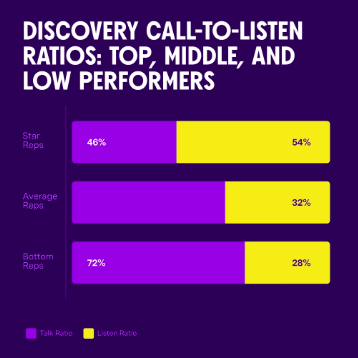
Being likeable, trustworthy, and unearthing the need for IT support are all achieved by asking more questions and talking less.
What is the Decision Maker thinking in the first 20-seconds?
From the moment the decision maker picks up the phone, they want to know these things in order:
Who are you?
What do you want?
Is it worth my time?
Why are you calling me specifically?
What is the Decision Maker thinking after the first 20-seconds?
After the initial impression has been made, the decision maker is forming an understanding of you and your purpose that is one layer deeper. They have exited fight-or-flight (“Is this a scam?” “Is this a massive campaign?”) and are now considering you and your message less instinctively and with more thoughtfulness.
Specifically they are seeking answers to these questions:
Do I actually have any IT problems that need solving?
Do I like and trust this person, who is an ambassador of the MSP, enough?
Given the Decision Maker’s psychology, how do we appear credible, likeable, and trustworthy?
In the first 20-seconds of the call, we have to answer the decision maker’s questions sharply and in priority order. This must be done with a script that has been meticulously worded.
Example Effective Script
“Hi [FIRST], my name is [NAME], I’m with [IT COMPANY], and our president, [PRESIDENT], has been eyeing your company! (grin)
He wanted me to reach out and exchange some information, just in case we could help you guys out with IT support in the future.
Do you maybe have 30 minutes tomorrow to connect with [PRESIDENT]?” (direct)
After winning the first 20-seconds, how do we win trust and affinity, and unearth genuine need?
The key to doing all three simultaneously is by doing one simple, yet difficult thing: asking strategic, open-ended questions.
The goal is not to TELL them why they need your help. The goal is to ask them questions which, in being answered, will reveal the need for help, and will do so from the most convincing person of all: themselves.
The beauty of this tactic is that in doing so you also win trust and likeability. It is a near statistical certainty that, in conversation, the more someone talks, the more they like their talking partner. The mechanism behind this is simple: the more someone talks, the more they enjoy the conversation, and the more they enjoy the conversation, the more they like you.
To unearth need, be liked, and be trusted, ask a lot of questions.
.svg)